How Florida’s Humidity Affects Your Cat’s Dental Health

How Florida’s Humidity Affects Your Cat’s Dental Health
If you’re a cat owner in Coral Springs, you already know Florida’s heat and humidity can make life more challenging for both you and your feline family members. But did you know these subtropical conditions can also impact your cat’s dental health? At Florida Veterinary Dental Services, located at 4101 Turtle Creek Drive, Coral Springs, FL 33067, our team of board-certified veterinary dental professionals often sees the effects of Florida’s climate on cats’ teeth and gums—especially during the warmest, stickiest months. In this blog, we’ll explore why humidity can pose unique dental risks for cats, what early signs to look for, how you can help protect your cat’s oral health at home, and when it’s time to consult a veterinary dental specialist for advanced care. Whether you’re new to the region or a lifelong Floridian, understanding the links between climate and oral health can help you keep your cat comfortable, healthy, and pain-free all year long.
Recognizing Dental Problems in Cats: What to Watch for at Home
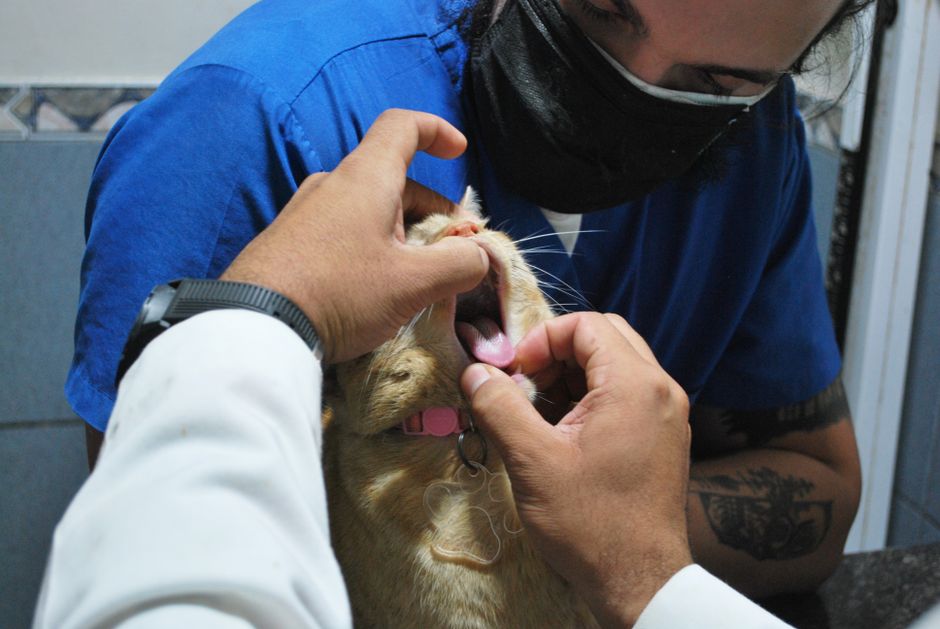
Florida’s climate doesn’t just make your cat seek out the coolest tile in the house; it can also increase the risk of dental disease. While cats are masters at hiding discomfort, there are signs every cat owner should watch for that may signal dental trouble. You might notice your cat developing bad breath that lingers even after routine cleanings, or see a decrease in their appetite—sometimes they’ll drop food, chew on one side, or avoid dry kibble altogether. Other indicators include red or swollen gums, visible tartar on the teeth, drooling, pawing at the face, or even subtle changes such as hiding more often or becoming less social.
In severe cases, you might observe loose or missing teeth, bleeding from the mouth, or facial swelling. Owners sometimes assume these changes are simply part of aging or hot weather lethargy, but they often point to underlying dental disease. Recognizing these warning signs early is especially important in our humid climate, where oral bacteria thrive and dental issues can progress more quickly.
Why Humidity Matters: How Florida’s Climate Impacts Feline Oral Health
Florida’s hot and humid weather creates an environment where bacteria and plaque can multiply rapidly in your cat’s mouth. The increased moisture in the air can lead to persistent dampness around your cat’s lips and chin, especially in long-haired or flat-faced breeds, which may contribute to skin fold infections and exacerbate oral inflammation. Cats that drink less water in the heat may also experience reduced saliva flow, which is normally essential for washing away bacteria and food particles.
High humidity can increase the stickiness of tartar on teeth, making it harder for your cat’s natural chewing and grooming behaviors to keep teeth clean. As a result, dental calculus can form faster, leading to earlier onset of gingivitis and periodontal disease. Additionally, cats with certain pre-existing conditions, such as chronic feline gingivostomatitis or immune system disorders, may be more susceptible to the effects of humidity, with oral ulcers and inflammation worsening during the summer months. For some cats, oral trauma or underlying dental issues may progress more rapidly in this climate, making early intervention even more crucial.
Professional Dental Care: Treatment Options at a Veterinary Dental Specialty Center
When dental disease develops or advances, professional treatment is the best way to restore your cat’s comfort and health. As a specialty veterinary dental and oral surgery center, Florida Veterinary Dental Services offers a range of advanced procedures specifically tailored for cats. Our team provides diagnostic imaging, such as dental radiographs, to detect hidden tooth root problems or jaw bone changes that standard exams may miss. For cats with periodontal disease, treatments may involve ultrasonic scaling and polishing beneath the gumline, targeted periodontal surgery, or—in severe cases—surgical tooth extractions using minimally invasive techniques.
Chronic or advanced cases, such as feline gingivostomatitis, often require more specialized approaches. Our veterinarians may recommend chronic feline gingivostomatitis treatment, which can include medical management, surgical intervention, or advanced therapies to control inflammation and pain. For cats who have suffered oral trauma or have fractured teeth, our specialized team can provide oral trauma care and restorative solutions to preserve oral function and comfort. Throughout every treatment plan, we use advanced pain management techniques to ensure your cat’s experience is as gentle and stress-free as possible.
Preventing Dental Disease: Home Care Tips for Florida Cat Owners
While regular professional care is essential, there are several steps you can take at home to help protect your cat’s mouth from the added challenges of Florida’s humidity. Encouraging hydration is key; make sure your cat always has access to fresh, clean water, and consider adding a pet water fountain to stimulate interest in drinking. Daily or frequent tooth brushing with a veterinarian-approved feline toothpaste is the gold standard for preventing plaque buildup, and dental diets or treats designed to reduce tartar can also be beneficial.
Regularly inspect your cat’s mouth for changes in gum color, swelling, or the smell of their breath, especially during the hottest months. Maintaining a cool, dry environment indoors can help minimize skin and oral moisture, which may reduce the risk of secondary infections. Scheduling routine pet dental cleanings with a veterinary dentist is the most effective way to catch issues early, as many dental problems start below the gumline where you can’t see them. If you have a senior cat or a breed prone to dental issues, discuss the need for advanced dental care for seniors with your veterinary team.
When to Consult a Veterinary Dental Specialist
Certain dental problems require more than a routine cleaning or general care, especially when humidity accelerates oral disease. If your cat exhibits persistent bad breath, drooling, difficulty eating, pawing at the mouth, or signs of oral pain such as vocalizing when eating, it’s time to seek professional help. Cats with visible swelling around the face or jaw, loose or missing teeth, or a history of chronic gingivitis should be evaluated by a veterinary dental specialist. Immediate care is needed if there is bleeding from the mouth, sudden refusal to eat, or if your cat is lethargic and hiding more than usual.
Florida Veterinary Dental Services is a referral-based specialty center, which means we work closely with your general veterinarian to provide the highest level of care when advanced dental diagnostics, surgery, or specialized management is needed. If your veterinarian recommends specialty dental care, or if you are concerned about your cat’s oral health due to persistent symptoms, our team is here to help with expert diagnosis and a full range of treatment options.
Keeping Your Cat’s Smile Healthy Year-Round in Coral Springs
Florida’s humidity presents unique challenges for your cat’s dental health, but with attentive home care and access to advanced veterinary dental services, you can help your feline companion avoid pain and enjoy a healthy, comfortable life. Recognizing the early signs of dental disease, understanding how our climate affects oral health, and knowing when to seek specialty care are key steps in protecting your cat’s well-being.
If you’re searching for a dental specialty vet near me, Florida Veterinary Dental Services in Coral Springs is ready to support you and your cat with advanced diagnostics, treatment, and preventive care. Our veterinary dental team is dedicated to compassionate, expert service for pets throughout Coral Springs and the surrounding communities. To schedule a consultation or learn more about our services, call us at (954) 396-9660 or visit our pet owner guide for educational resources about feline dental health. Your cat deserves the best in comfort and care—let us help you keep their smile bright and healthy, no matter what Florida’s weather brings.
This blog is intended for educational purposes only and does not replace professional veterinary advice. Always consult your veterinarian or a veterinary dental specialist for specific concerns about your cat’s oral health.