Dog Teeth Implants: Restoring Function and Comfort in Coral Springs

Dog Teeth Implants: Restoring Function and Comfort in Coral Springs
When a beloved dog loses a tooth or suffers serious dental trauma, it is natural for pet owners in Coral Springs and surrounding communities to feel concerned about their pet’s comfort, ability to chew, and overall well-being. At Florida Veterinary Dental Services, located at 4101 Turtle Creek Drive, Coral Springs, FL 33067, our team of veterinary dental specialists is dedicated to restoring your dog’s oral function and quality of life through advanced dental solutions—including dog teeth implants. If your pet is struggling with missing teeth or you are seeking answers about implantology, this guide will help you understand when implants may be appropriate, how the process works, and what you can expect from our specialized care. As a referral-based specialty center, we work closely with your regular veterinarian to offer the most advanced dental and oral surgery options available, providing expertise you can trust.
Recognizing When Your Dog May Need Dental Implants
Understanding the signs that your dog might benefit from dental implants is the first step in restoring their oral health. Dogs with missing teeth often show subtle changes at first, but over time, these changes can impact their comfort and daily life. Key symptoms include difficulty picking up or chewing food, favoring one side of the mouth when eating, dropping kibble while eating, or even reluctance to play with toys. Other signs are increased drooling, swelling around the mouth, or visible gaps where teeth once were. In some cases, you might notice persistent bad breath or a sudden change in your dog's interest in food, especially if oral pain is present. When a tooth is lost due to trauma, such as a fall or accident, you may see bleeding, swelling, or an obvious gap in the dental line.
It is important to remember that not all missing teeth require implants, but when they affect your pet’s ability to eat comfortably or cause changes in jaw alignment, advanced solutions like dog teeth implants can offer significant benefits. If your pet has suffered oral trauma, you may also want to explore our oral trauma treatment options to address acute injuries before considering restorative procedures.
Why Do Dogs Lose Teeth? Understanding the Causes
Dental trauma and periodontal disease are two of the most common reasons dogs lose teeth. Periodontal disease results from the gradual breakdown of the tissues and bone that support the teeth, often caused by plaque and tartar buildup. Over time, the gums recede, roots become exposed, and teeth may loosen or fall out. Traumatic injuries—such as being struck by a hard object, accidents, or chewing on inappropriate items—can also lead to fractured or lost teeth. In certain cases, congenital issues or malocclusion (misalignment of the teeth) may predispose a dog to tooth loss, especially if the bite places excess stress on particular teeth.
Senior dogs are particularly vulnerable to dental disease, while younger pets may experience trauma from rough play or chewing. It is also important to note that some breeds are more predisposed to dental problems due to the shape of their jaws or genetic factors. If your dog has lost a tooth and you are concerned about the impact on their health and comfort, the veterinary dental professionals at Florida Veterinary Dental Services can evaluate whether dog teeth implants are the best option.
Dog Teeth Implants: The Specialist Approach in Coral Springs
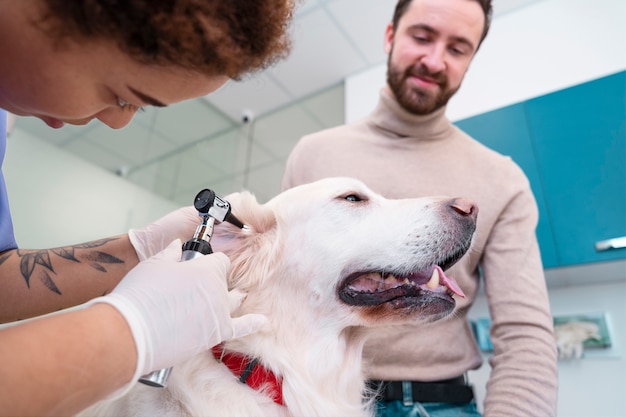
Dental implants for dogs represent one of the most advanced, permanent solutions for replacing missing teeth. This procedure is only performed by veterinary dental specialists who possess the training, equipment, and experience to ensure successful outcomes. The process begins with a comprehensive oral examination, including dental radiographs or 3D imaging, to assess the health of the surrounding bone and gum tissues. If your pet is a suitable candidate, a titanium implant post is surgically placed in the jawbone, where it will fuse with the bone over time—a process known as osseointegration.
After the healing phase, a custom crown is created and attached to the implant, restoring both the appearance and function of the lost tooth. This allows your dog to chew comfortably, maintain normal jaw alignment, and prevent the shifting of adjacent teeth. The benefits of dog teeth implants go beyond aesthetics; they help protect your dog’s oral health, improve their ability to enjoy food, and support long-term comfort.
As part of our commitment to advanced care, our veterinary dental team utilizes on-site imaging and surgical technology to ensure precise, safe placement of implants. We also offer related restorative services such as tooth restorations and crowns, providing a comprehensive approach to dental function and oral rehabilitation. Each case is unique, so we work closely with referring veterinarians to develop a customized treatment plan tailored to your dog’s specific needs.
What to Expect During the Dog Teeth Implant Process
The journey toward a successful dental implant involves several key stages. After the initial consultation and diagnostic imaging, your pet will undergo implant placement under general anesthesia in a highly controlled environment. Postoperative care typically includes pain management, antibiotics if indicated, and a period of soft food to support healing. During the months that follow, your dog will return for rechecks as the implant integrates with the jawbone. Once healing is complete, the final crown is placed, and your dog can resume normal eating and play activities.
Our veterinary dental professionals are available to answer your questions at every step, ensuring you feel comfortable and informed throughout the process. If you are interested in exploring whether your dog is a candidate for this advanced procedure, visit our teeth implantology service page for more details or reach out to our clinic directly.
Caring for Your Dog After Dental Implants: Prevention and Home Management
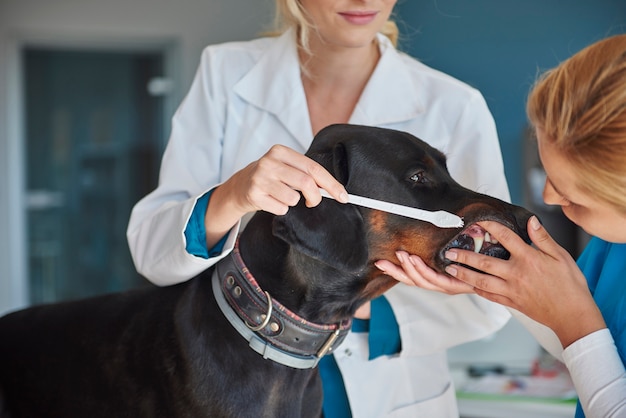
After your dog receives dental implants, long-term success depends on diligent home care and routine professional monitoring. Steps to support your pet’s oral health include regular tooth brushing with a veterinarian-approved toothpaste, providing dental-friendly toys and treats, and avoiding hard objects that could damage the implant or adjacent teeth. Additionally, scheduling periodic dental examinations and cleanings with your veterinary dental specialist helps ensure the implant remains healthy and functional for years to come.
If your pet is prone to plaque buildup or has a history of oral pain, our team can provide personalized guidance on home care routines. You may also find our oral pain management strategies helpful in ensuring your dog remains comfortable during the healing phase and beyond. While dental implants are highly durable, maintaining overall oral hygiene is essential for maximizing the benefits of this investment in your dog’s health.
When to Consult a Veterinary Dental Specialist
Not every missing tooth requires an implant, but there are specific circumstances when seeking specialty care is strongly recommended. If your dog is unable to chew properly, experiences ongoing oral pain, shows signs of jaw misalignment, or has suffered dental trauma involving multiple teeth, prompt evaluation by a board-certified veterinary dentist is essential. Additionally, if you notice swelling, infection, or changes in your dog's eating habits after tooth loss, these symptoms may indicate a more serious underlying problem that requires advanced diagnostics and intervention.
As a specialty referral center, Florida Veterinary Dental Services collaborates with your primary care veterinarian to deliver targeted, expert solutions for complex dental issues. Our veterinary dental professionals have extensive experience managing everything from single tooth loss to complicated oral trauma and jaw fractures. For more information about treating jaw and facial injuries, visit our jaw and facial fractures page.
If you are searching for a "dental vet near me" who can offer the highest standard of care, our clinic is equipped to meet your pet’s needs with compassion and expertise.
Restoring Your Dog’s Smile and Comfort: Next Steps
A missing tooth should not stand in the way of your dog’s happiness or wellbeing. At Florida Veterinary Dental Services, our mission is to restore function, comfort, and confidence to pets throughout Coral Springs and surrounding areas. Dog teeth implants offer a proven, long-lasting solution that can dramatically improve your pet’s quality of life—whether they are recovering from dental trauma or dealing with tooth loss from disease. Our team of veterinary dental specialists is ready to guide you through every stage of the process, from initial assessment to long-term follow-up.
If you believe your pet might benefit from dog teeth implants or if you have questions about advanced dental care in Coral Springs, we invite you to contact our clinic at (954) 396-9660 or visit 4101 Turtle Creek Drive, Coral Springs, FL 33067. Trust our veterinary dental professionals to provide the expertise and support your pet deserves. For additional details on our services, including restorative options and oral pain management, explore our resources on teeth implantology and oral pain management.
Your pet’s smile is worth protecting, and when you are searching for a dental vet near me in Coral Springs, Florida Veterinary Dental Services is your trusted partner in advanced oral care. Remember, if your dog exhibits any signs of oral pain or difficulty eating, do not wait—call our clinic or consult with your primary veterinarian for a referral. We look forward to helping your pet enjoy a happy, healthy life with a restored, comfortable smile.
Disclaimer: The information in this blog is intended for educational purposes only and should not be used as a substitute for professional veterinary advice. Always consult with a veterinary dental specialist regarding your pet’s individual needs and health status. For more about veterinary dentistry, visit resources such as American Veterinary Dental College or consult your primary care veterinarian.