Can Dogs Get Dental Implants? Expert Insights From a Vet Dentist


Can Dogs Get Dental Implants? Expert Insights From a Vet Dentist
If your dog has lost a tooth or is facing dental problems, you might be wondering, can dogs get dental implants? As dental technology advances in both human and veterinary medicine, more pet owners in Coral Springs and surrounding communities are curious about this innovative solution for canine oral health. At Florida Veterinary Dental Services, located at 4101 Turtle Creek Drive, Coral Springs, FL 33067, our specialty team, led by Dr. Fuentes, is dedicated to providing advanced dental and oral surgical care for dogs and cats. In this blog, we’ll answer the question, can dogs get dental implants, explain when they are recommended, describe the procedure, discuss the benefits and risks, and help you understand what to expect if your dog might benefit from this advanced form of dental care.
We know your dog’s comfort, health, and long-term wellbeing are your top priorities. That’s why our veterinary dental professionals offer comprehensive, referral-based services, from advanced cleanings to complex oral surgery. If you’re seeking options to restore your dog’s smile and function, you’ve come to the right place.
Recognizing When Dental Implants May Be Needed in Dogs
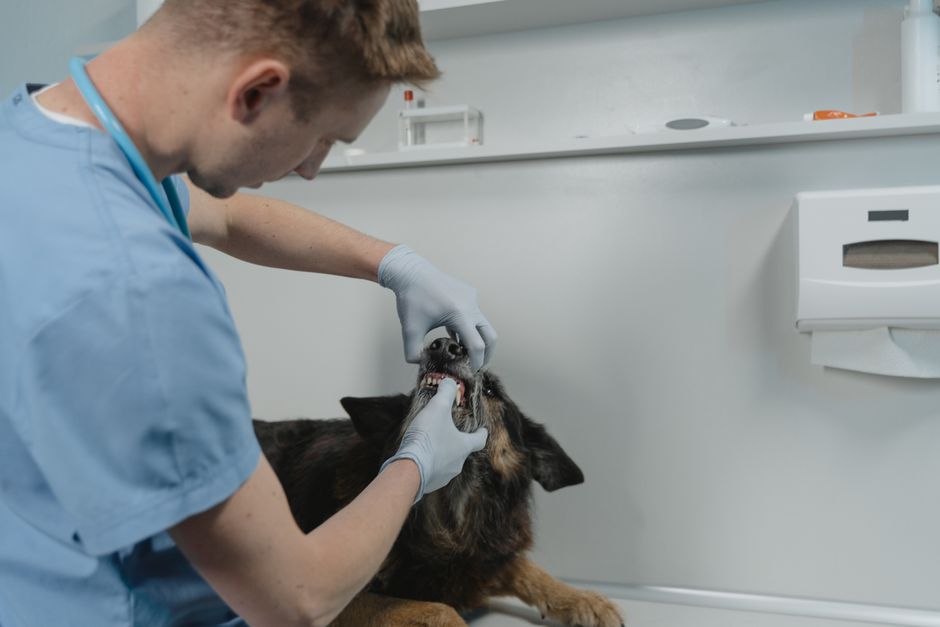
Tooth loss in dogs can occur for many reasons, and understanding when an implant might be considered is the first step. Dogs may lose teeth due to trauma, severe periodontal disease, fractures, or as a result of oral surgery to remove a diseased or damaged tooth. Signs that your dog may be experiencing dental issues include difficulty chewing, dropping food, avoiding hard kibble or toys, pawing at the mouth, or visible gaps in their teeth. Some dogs may develop bad breath, bleeding gums, or swelling around the mouth when oral health problems are present.
If you notice these symptoms, it’s important to consult with a veterinary dental specialist promptly. In some cases, missing teeth can affect your dog’s ability to eat comfortably or may lead to changes in behavior due to discomfort. Additionally, tooth loss in working or service dogs can impact the dog’s function and quality of life. While dental implants are not necessary for every dog with a missing tooth, they may be recommended in specific situations where restoring chewing function or jaw integrity is essential.
Why Dental Implants for Dogs? Understanding the Background
Dental implants in dogs are a relatively advanced procedure, adapted from human dentistry, that offers a permanent solution for replacing missing teeth. The implant itself is a small, biocompatible titanium post that is surgically placed into the jawbone to act as an artificial tooth root. After the implant integrates with the bone, a crown or prosthetic tooth is attached, restoring both function and appearance.
Not every dog is a candidate for dental implants. The most common reasons for considering this procedure include loss of a critical tooth (such as a canine or carnassial tooth), the need for a stable bite in working/athletic dogs, or in cases where traditional tooth restorations are not possible. Dogs need to have healthy bone and gums, be in good overall health, and be able to tolerate anesthesia and oral surgery. The decision to pursue a dental implant is always made after a comprehensive evaluation, including advanced imaging and dental examinations.
While dental implants are a sophisticated option, other treatment approaches such as tooth restorations and crowns or root canal therapy may be considered first, depending on the specific tooth and the underlying issue. Our veterinary dental team will discuss all appropriate options with you to ensure the best outcome for your dog.
The Dental Implant Procedure for Dogs: What to Expect
Once it is determined that your dog is a candidate for a dental implant, the process involves several steps to ensure safety and success. The first stage includes a thorough oral examination and advanced imaging, such as intraoral dental radiographs or CT scans, to assess bone quality and plan the procedure. If the supporting bone is healthy and there are no active oral infections, the dental implant can be surgically placed under general anesthesia.
The implant is inserted into the jawbone, and the area is carefully closed for healing. Osseointegration, or the process where the bone bonds with the implant, usually takes several months. During this healing period, your dog may need to eat soft food and avoid hard toys or treats. Once healing is complete, a custom prosthetic tooth is attached to the implant, restoring normal appearance and function.
Throughout the process, your dog will require periodic rechecks with the veterinary dental team to monitor healing and ensure the implant is stable. Our team at Florida Veterinary Dental Services uses advanced technology and specialized techniques to minimize discomfort and maximize success. If you’d like to learn more about the specific steps involved, you can find additional information on our teeth implantology services for pets.
Benefits and Risks of Dental Implants in Dogs
Dental implants can offer significant benefits for some dogs. Restoring a lost tooth with an implant can improve chewing function, prevent jaw bone loss, and enhance your dog’s comfort and quality of life. For working or sporting dogs, regaining proper dental structure can be particularly important. Implants are designed to be a permanent solution, and with proper care, they can last for many years.
However, as with any surgical procedure, there are risks to consider. Potential complications include infection, implant failure, or slow healing. Not all dogs are ideal candidates, especially if they have underlying health issues, poor bone quality, or ongoing oral infections. Our veterinary dental specialists will carefully evaluate your dog and discuss all potential benefits and risks before moving forward.
In some cases, alternatives like complex dental extractions or restorative crowns may be more appropriate. Our priority is always your dog’s health, comfort, and long-term wellbeing; we will guide you through your options with compassion and expertise.
Home Care and Preventing Future Dental Issues
While dental implants can restore lost function, prevention remains key to maintaining your dog’s oral health. Daily tooth brushing with pet-safe toothpaste, routine dental checkups, and professional pet dental cleanings are essential steps in reducing the risk of periodontal disease and future tooth loss. Providing dental-friendly toys and a veterinarian-recommended diet can further help keep your dog’s teeth and gums healthy.
If your dog has received a dental implant, following aftercare instructions from your veterinary dental team is critical. This includes feeding soft food during recovery, limiting access to hard chew toys, and attending scheduled recheck visits. Consistent home care and regular monitoring will help protect your dog’s oral investment and overall health.
When to Seek Veterinary Dental Care for Your Dog
If your dog is missing a tooth, experiencing pain while eating, or showing changes in oral health, it’s important to seek professional evaluation with a veterinary dental specialist. Early intervention can prevent complications and offer more treatment options. You should also schedule a visit if you notice swelling, bleeding, persistent bad breath, or any sudden changes in your dog’s behavior around eating or chewing.
Dental implants are a highly specialized procedure and should only be performed by a veterinary team with advanced training in dental and oral surgery. At Florida Veterinary Dental Services, we work closely with your primary care veterinarian to provide referral-based care tailored to your dog’s unique needs. Our team is committed to delivering advanced solutions and compassionate support every step of the way.
Finding the Right Veterinary Dental Specialist Near You
When searching for a specialty dental vet near me, it’s essential to choose a team with experience, advanced training, and a reputation for excellence. At Florida Veterinary Dental Services, we serve Coral Springs and the surrounding communities with the latest in veterinary dental care, including dental implants, restorations, and oral surgery. Our practice is equipped with state-of-the-art imaging and surgical technology, ensuring your dog receives the highest level of care.
If you have questions about whether your dog is a candidate for dental implants, or you’d like to schedule a specialty consultation, our veterinary dental professionals are here to help. We invite you to reach out to our clinic at (954) 396-9660 or visit us at 4101 Turtle Creek Drive, Coral Springs, FL 33067 to learn more.
Take the Next Step for Your Dog’s Oral Health
Dental implants represent a remarkable advancement in veterinary medicine, offering select dogs a chance to regain lost function and enjoy a comfortable, healthy life. If you are still asking, can dogs get dental implants, the answer is yes—in specific cases and with careful evaluation by a veterinary dental specialist. Our team at Florida Veterinary Dental Services is dedicated to partnering with you and your primary veterinarian to deliver expert, compassionate care for your dog.
To explore whether dental implants or other advanced dental solutions are right for your dog, contact our veterinary dental team today at (954) 396-9660 or schedule a specialty consultation at our Coral Springs location. You can also learn more about our teeth implantology services and how we help dogs maintain happy, healthy smiles. Your dog deserves the best—let our veterinary dental professionals provide the advanced care your companion needs.
Medical Disclaimer: This blog is for informational purposes only and does not replace individualized veterinary care. Always consult your veterinarian or a board-certified veterinary dental specialist before making decisions about your dog’s dental health.